Prevention
There are key areas to focus on to reduce your risk of falls and injuries whilst on the slopes: pre-trip physiotherapy, getting the right equipment fitted correctly, warm-ups directly before activity, and slope awareness. Falls and injuries are more likely to occur if you are not prepared. You need your body to be strong and conditioned to cope with the new stresses that snow sports puts on the body.Injury Prevention Planning
- Start regular sport specific training a minimum of 6 weeks before your trip
- Think about the type of skiing or boarding that you are going to do and start regular training for this
- Ideally in a gym environment where the equipment can help target muscle groups for strength and condition. It is best to start with a physiotherapist or gym instructor to ensure that you are doing exercises correctly
- Strengthening key muscle groups can prevent injuries like a knee ACL rupture
- Think about your mental readiness, being confident will ensure you maximise fun and stay safe
- If you have a query about a previous injury or surgery, bespoke advice is available via CONTACT
- Make sure your own equipment has been properly serviced
- Hiring equipment can be confusing, find out what you need before you go and ensure that you explain your skill level realistically and the team understand
- Check the weather and adapt
- Do the 3 minute ICE BREAKER warm-up before your first run and after lunch
- Choose your routes and timings to avoid busy periods
Injury Prevention Training Program
For each exercise, aim to complete between 8-12 repetitions per set and x3 sets (except for planks when aim to hold for 20-30s x 3 sets).
For further progression of injury prevention exercises, consider implementing plyometric movements such as lateral pogos, bounding and single leg landings.
Early Phase - 6 weeks to go!
Home Exercise Plan
Gym-Based Plan
Intermediate Phase - 4 weeks TO GO!
Home Exercise Plan
Gym-Based Plan
Advanced Phase - 2 weeks TO GO!
Home Exercise Plan
Sit to stand
Step Up
Goblet box squat
SL sit to stand (/staggered stance)
Lateral lunge
SL RDL
Banded walk
Plank
Decline goblet squat
Weighted lateral lunge
Split lunge pallof press
Eccentric step down
Lateral lunge push back
SL RDL with rotation
SL hamstring bridge
Side plank (+hip abduction)
Weighted lateral lunge push back
Weighted SL RDL
Gym ball plank
Weighted Step Up
Deadbug
Star Excursion
DL Bridge
Plank Leg Lifts
SKI PERFORMANCE ASSESSMENT
ENSURING YOU KNOW YOUR LEVEL PRE-TRIP
A thorough assessment is available at BlueSky physio:
www.blueskysportsphysio.co.uk/services/skiperformanceassessment
MINDSET READINESS: Rebuilding Trust and Confidence


While physical rehabilitation gets plenty of attention, the psychological side of recovery is often overlooked.
After injury, even if your body is ready, your mind can still hold back.
Fear of re-injury is one of the most common barriers to confident skiing after surgery. That internal voice “What if I fall again?” can create tension and hesitation, which ironically increase the risk of instability.
This is where mindset coaching plays a crucial role. It’s about relaxing into your skiing.
Sven Ski Clinic has partnered with Lou Pode, a specialist in Ski Mindset Coaching.
Focus is on:
- Understanding and reframing the fear of re-injury.
- Developing relaxation and breathing techniques to manage anxiety on the slopes.
- Visualisation strategies to retrain your mind-body connection.
- Building a “confidence toolkit” to call on when you feel doubt or nerves creeping in.
Key message:
“You can do all the physical rehab in the world, but if your mindset still feels fragile, your skiing will too. When body and mind work together, confidence and control naturally follow.”
Combining the expertise of both orthopaedic and mindset coaching professionals offers a powerful outcome.
The orthopaedic and physiotherapy input ensures your body is mechanically prepared. The mindset coaching complements this by rebuilding your psychological readiness, enabling you to manage any anxiety and relax into your skiing.
Together, this creates a holistic pathway back to skiing, one that focuses not just on can you ski again but how can you ski with that sense of flow and freedom.
To learn more and get coaching visit: https://www.louisepode.com
WHAT EQUIPMENT DO I NEED?
HELMET
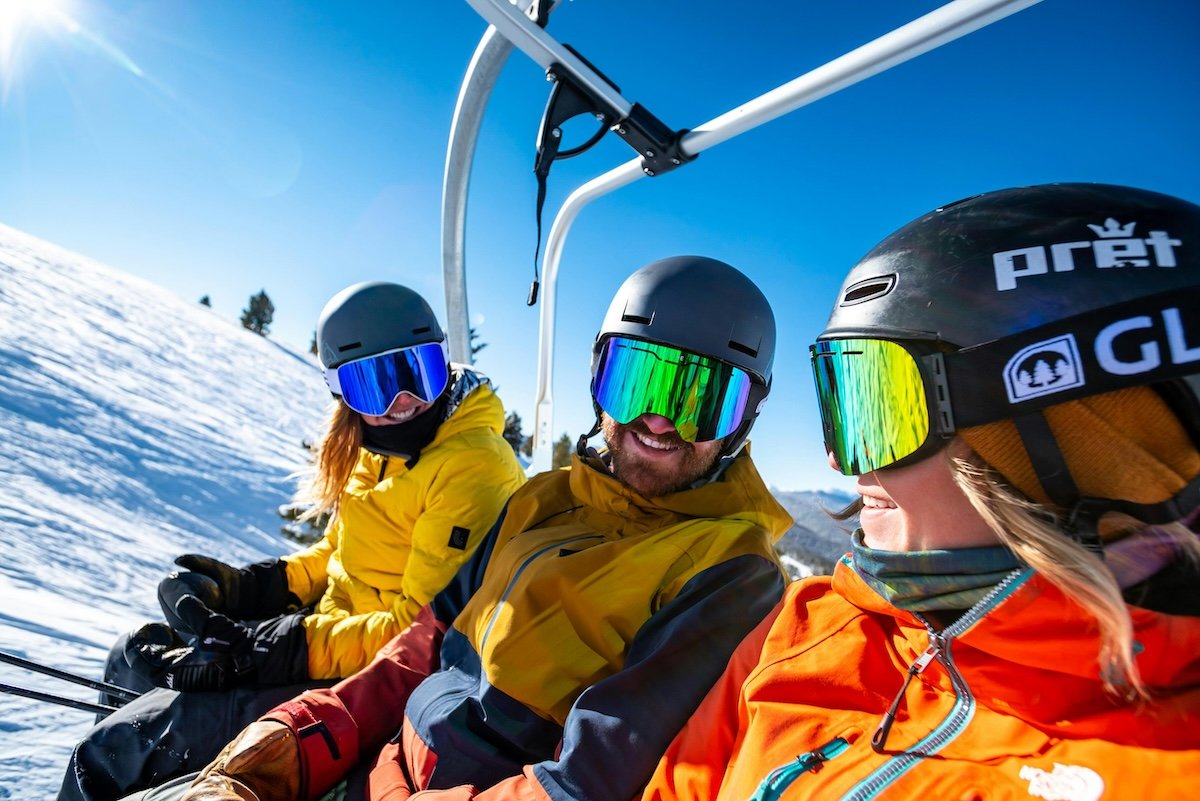
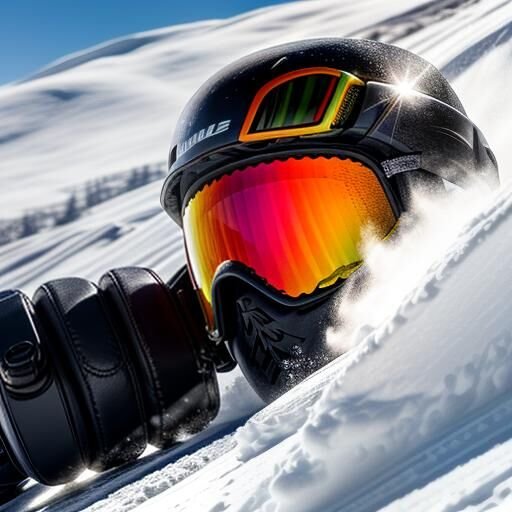
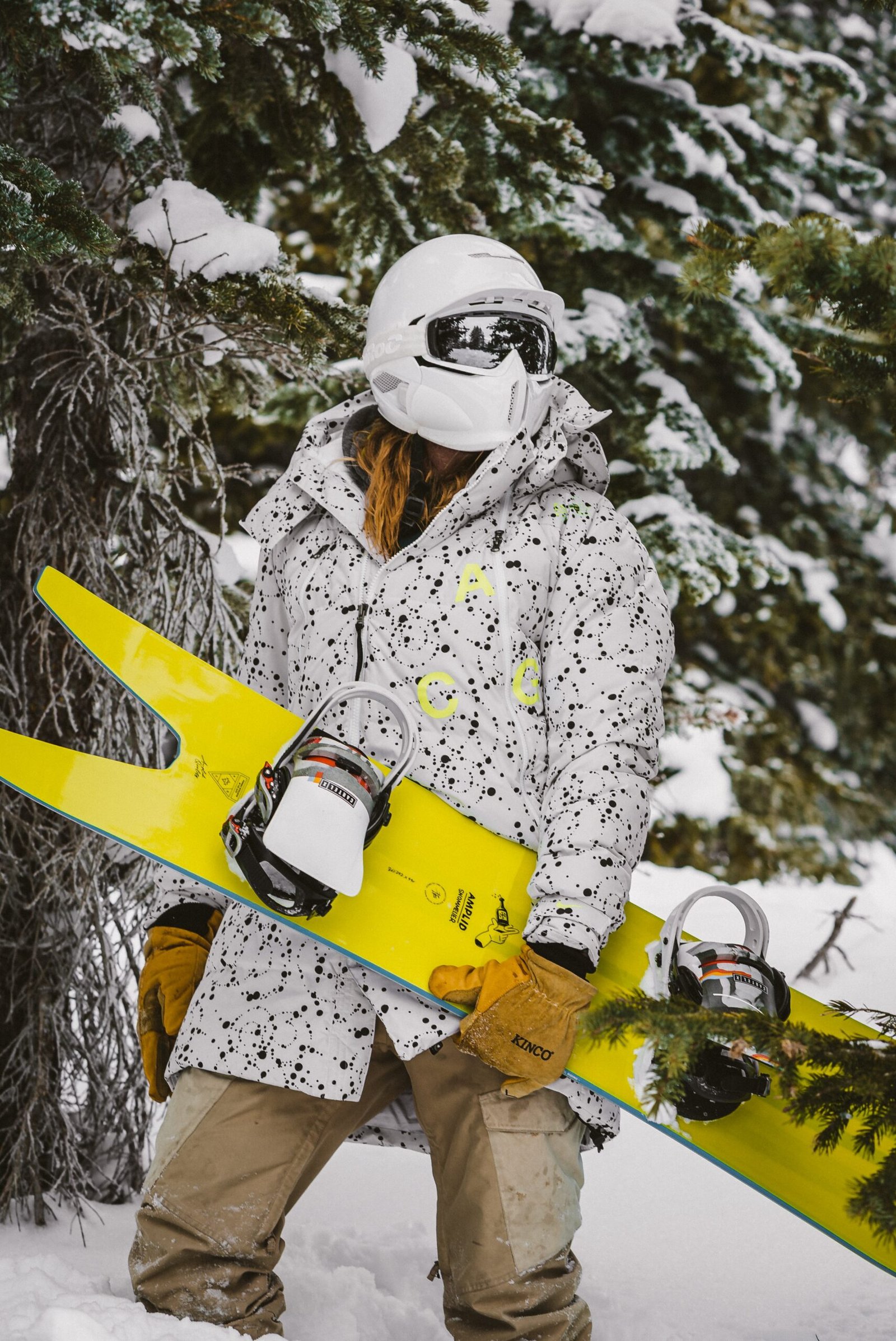
A properly fitted helmet should be mandatory, make sure it is for you. It is easy to reach high speeds on the slopes and head injuries can be fatal even in the most experienced. They are designed to absorb shock and reduce the likelihood of injury. They protect against skull fractures and catastrophic brain injuries by reducing the amount of force transferred to the head. Look out for advanced technology that may improve protection: Multi Impact Protection System (MIPS), Shearing Pads Inside (SPIN), Aramid bridges, WaveCel, Atomic Multi-directional Impact Deflector (AMID).
GOGGLES
Better coverage and more durable than sunglasses. Essential for a number of important reasons: protecting you from the sun, wind and flying debris. Sunrays reflecting of the white snow not only reduces visibility but UV rays can damage your eyes. Strong winds can cause eye watering making it harder to see. Flying snow and debris is especially dangerous around the eye area. Ensure the foam fit and ventilation is correct to prevent fogging. Different lens types are available to suit the conditions.
WRIST GUARDS
Wrist sprains and fractures are commonly seen, with snowboarders especially at risk. Wearing a well fitted wrist guard does significantly reduce the risk of wrist injuries during a fall, and are therefore recommended. Learn to fall correctly to distribute force is important to learn from the start with beginners at the highest risk of injury.
IMPACT SHORTS, ELBOW AND KNEE PADS
Impact shorts or crash pants cushion the frequent impacts when leaning back on your board. If you’re a beginner, or taking on tricks where falls are more likely, then padding up is sensible. These can all help reduce the severity of injuries.
BOOTS AND BINDINGS
Make sure your equipment fits! Boots need to fit properly and your bindings must be adjusted correctly. Resort ski and board hire shops all have specialists who can adjust your bindings to your skill level. Different kit is better suited to different terrains, conditions and skill levels so get some advice on yours.
THE SVENSKI ICE-BREAKER WARM-UP
A 3 minute warm-up raises heart rate, increase muscle flow and optimises function. There is evidence that this type of activity significantly reduces the risk of injury so take some time to fit this in!
All of these warm-ups can be done with ski or snowboard boots on directly before hitting your first run!
MINUTE ONE: DYNAMIC WARM-UP
- Light jogging on the spot: The starting point of all warm-ups gradually building up the intensity until..
- High knee marching: Now aims to rapidly increase blood flow and raise heart rate by marching on the spot and then picking it up until lifting knee to opposite elbow
- Forward and lateral leg swings: Using your poles for balance, stand on one leg and swing your other leg from front to back. Then swing your legs out to the side and back across your body
- Lateral shuffles: moving side-to-side with a slight bend in the knees, and start to include arm swings
MINUTE TWO: STRENGTH AND POWER
- Lateral lunges: Widen your stance and transfer your weight sideways bending at the knee into lunge position
- Squats: Standing with feet hip width apart squat down, hold for a couple of seconds at the bottom and stand back up
- Forward and backward bunny hops: Perfect hopping over an imaginary gap in the snow and then back again. Concentrate on nailing your landing and building a tempo
MINUTE THREE: PLYOMETRICS AND AGILITY
- Hip mobility/Hip openers and circles: Using your poles for balance, bring one leg up to hip level with your knee bent, rotate the leg out to the side and back down. Then with your feet hip-width apart, circle your hips clockwise, then anticlockwise
- 360 bunny hops: Taking the hopping to next level, going around the clock combining lateral, diagonal, forward and backward hops
- Back mobility, rotation, flexion and side flexion: Standing with feet hip width apart, place a pole on your shoulders and rotate your head and upper back. Then with arms overhead side bend arching your low back and feeling a stretch down your side. Then flex forwards reaching one arm down to the opposite foot and raising the other arm towards the sky
- Upper limb mobility, arm circles and shoulder rolls: Standing with feet hip width apart and holding a pole, raise arms overhead and back down. Then perform shoulder circles rolling backwards and squeezing shoulder blades together
- Diagonal runs: Finally end with short, explosive runs on a diagonal, changing direction with each step
Do your 3 minute warm-up to your favourite dance track! Post your videos and #svenskiclinic
SAFETY DURING YOUR DAY
Stay well hydrated: Drink water before, during, and after skiing. If you don’t want to stop then take a backpack with a water reservoir and drinking tube for easy access.
Eat well: Pack enough small carbohydrates and protein snacks to last you during the day. This will prevent loss of energy, cramping, and muscle fatigue which can all lead to injuries. Avoid a heavy lunch as this can lower your insulin levels and slow you down.
Listen to your body: Rest when you’re tired. If you have sustained an injury or your muscles ache, think about finishing your day early to allow a full recovery and fresh legs for the rest of your trip.
Ski and board within your limits: If you push yourself and get to the point where you feel out of control, you are likely to fall. The higher your speed when you fall the greater risk of significant injuries.
Learn how to fall: There may be times when a fall is unavoidable. During a fall you need to dissipate the force as best possible. As a boarder your outstretched hand needs to roll into your forearm. As a skier you need to maximise the body area for impact and then if possible continue into a roll.
Stick to your plan: Plan your journey using a map, ensuring that you and your group are all keeping to your skill level. Marked trails are far less likely to have concealed obstacles or drops that can cause significant injuries.
Support each other: You are likely to have times when you are with people with different skill levels. Wait for each other, learn from each other, and be a supporting unit.
Avoid excessive alcohol: Whether it’s trying to get off the slope after a visit to one of the many bars or restaurants on the slopes, or getting back to your chalet from a night out, it is obvious that drinking alcohol will increase your risks.