
PREVENTION
There are key areas to focus on to reduce your risk of falls and injuries whilst on the slopes: pre-trip physiotherapy, getting the right equipment fitted correctly, warm-ups directly before activity, and slope awareness. Falls and injuries are more likely to occur if you are not prepared. You need your body to be strong and conditioned to cope with the new stresses that snow sports puts on the body.
- Start regular sport specific training a minimum of 1 month before your trip
- Think about the type of skiing or boarding that you are going to do and start regular training for this
- Ideally in a gym environment where the equipment can help target muscle groups for strength and condition. It is best to start with a physiotherapist or gym instructor to ensure that you are doing exercises correctly
- Strengthening key muscle groups can prevent injuries like a knee ACL rupture
- Think about four key groups: core, glutes, quads, and hamstrings
- Make sure your own equipment has been properly serviced
- Hiring equipment can be confusing, find out what you need before you go and ensure that you carefully explain your skill level
- Check the weather and adapt
- Do a 5 minute warm-up before your first run and after lunch
- Choose your routes and timings to avoid busy periods
STRENGTHENING EXERCISES TO PREVENT INJURY
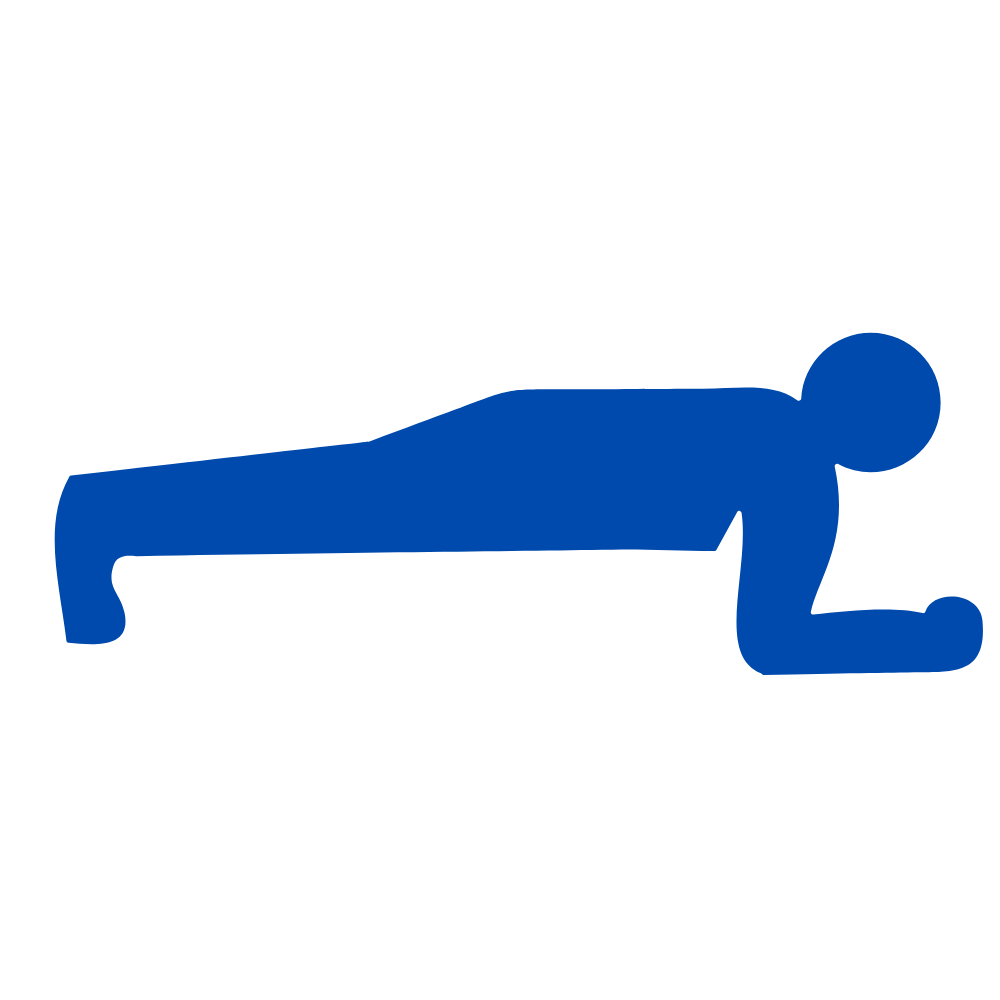
CORE STRENGTH
The Plank. Lie on your tummy and rise onto your toes and elbows with your forearms parallel on the floor. Keep your elbows in line with your shoulders. Tighten your glutes and make sure your tummy doesn’t sag and your bum doesn’t stick up in the air.
GLUTES
Hip and pelvic stability is key for knee injury prevention because knee stability depends on how strong your hips. Physio bands can help in many ways. Try a lateral band walk by putting it on the outer sides of both feet along the balls of your feet. Step side to side in a little bit of a squat to activate your core, glutes, and quads. As you step side to side, you’re really focusing on gluteus medius, one of the three bum (gluteal) muscles.
QUADS
Squats are a great place to start as that’s what you will be doing when you’re descending the slope. This could be for example: from a sitting chair position, against a wall, or in a gym with weights. For a chair squat sit down and push your bum out first, keep looking forward with your chest up, and don’t let your knees bend forward past your toes. The key is to engage your core, then your glutes, and finally your quads to push you up into a controlled standing position. For a standing squat keep looking forward and not up. When you look up, you back will bend and the muscles there take the strain, you want the focus to be on your quads.
HAMSTRINGS
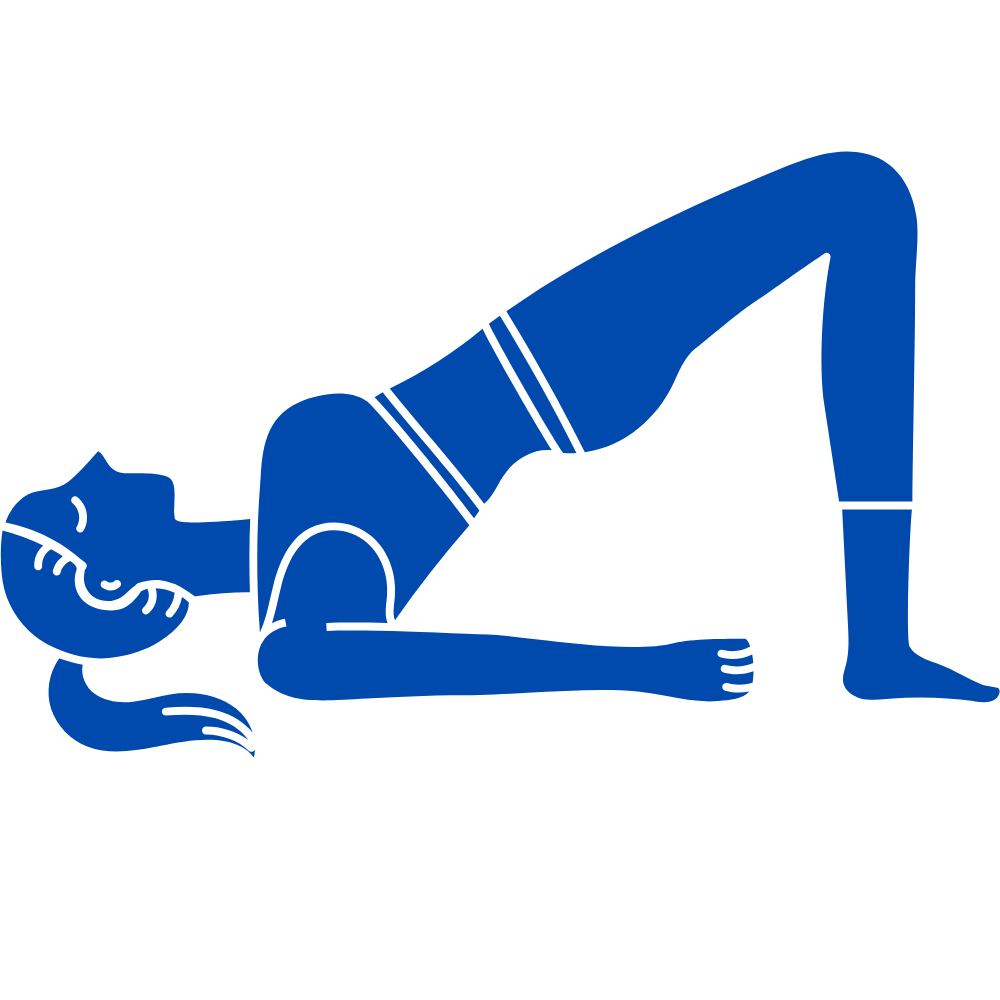
Often combined with glutes. Try a bridge by lying down with your back, palms, and feet flat on the floor and your knees bent. Press your feet into the ground as you raise both hips up toward the ceiling. At the top, squeeze your glutes together and feel your hamstrings tighten. Keep your body flat without arching your back.
USING A STABILITY BALL
Lots of combined strengthening can be achieved here. Lie on your tummy with your toes touching the ground. Raise your upper body and put your arms straight out in front of you like a superhero. Position your entire body so it’s in a straight line. This exercise strengthens all the muscles on the back of your body : back, core, glutes, and hamstrings. Now lie on your back on the floor with your ankles on the ball. Apply pressure to the ball while lifting your hips, keeping your shoulders, neck, and head on the ground. You can lift and hold, strengthening your glutes and core, or curl by bringing the ball back towards you while bending your knees and lifting your bum, strengthening hamstrings. Avoid hip rotation.
WHAT EQUIPMENT DO I NEED?
HELMET
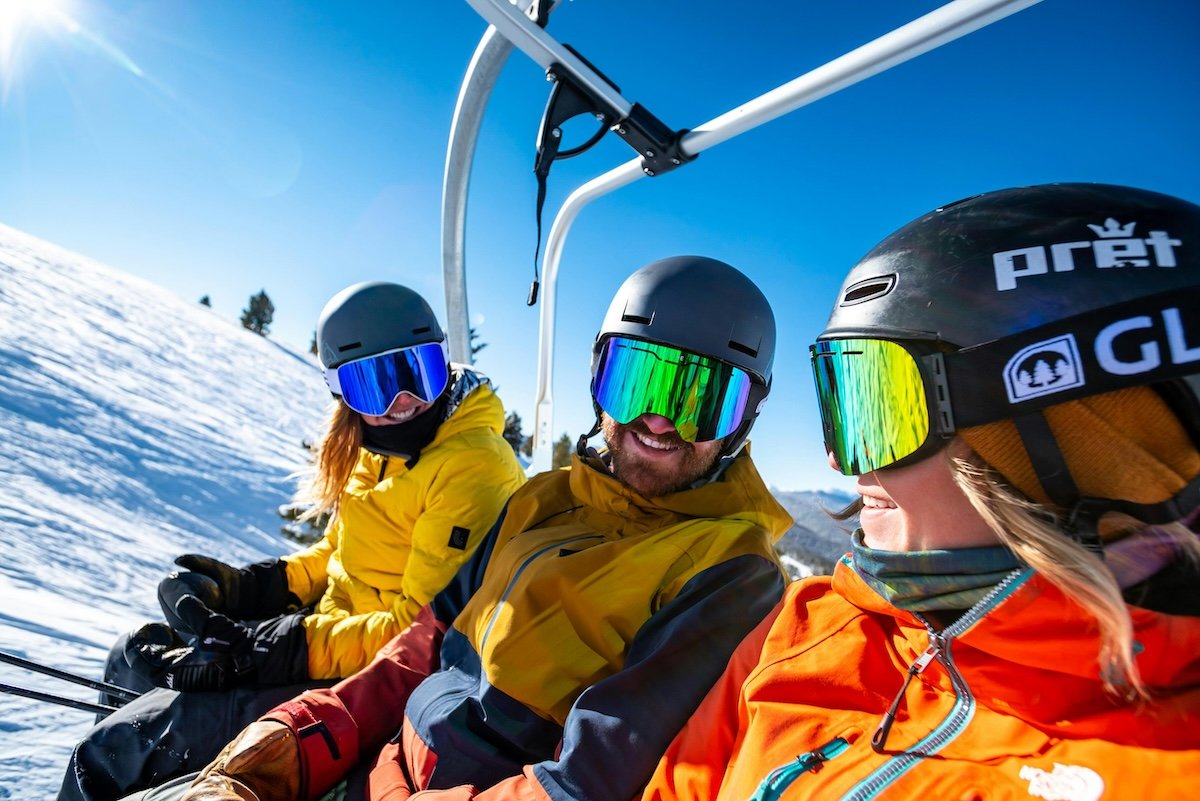
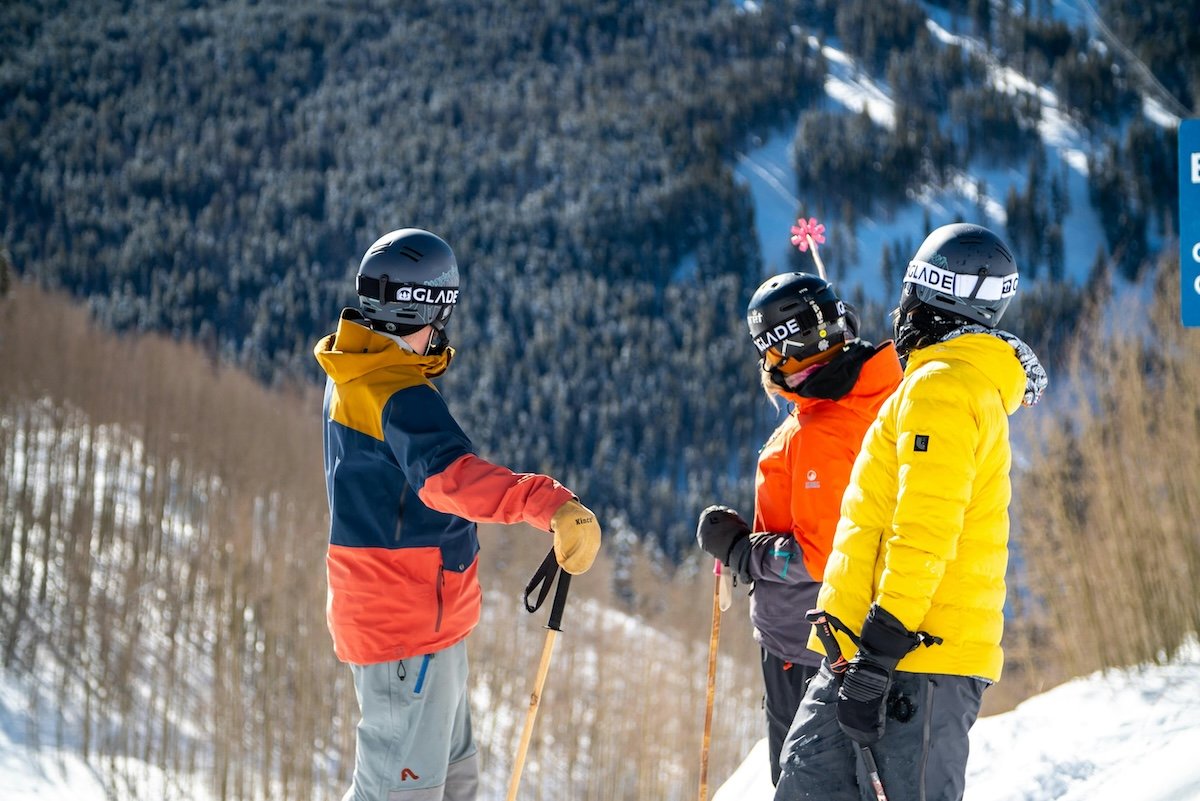
A properly fitted helmet should be mandatory, make sure it is for you. It is easy to reach high speeds on the slopes and head injuries can be fatal even in the most experienced. They are designed to absorb shock and reduce the likelihood of injury. They protect against skull fractures and catastrophic brain injuries by reducing the amount of force transferred to the head. Look out for advanced technology that may improve protection: Multi Impact Protection System (MIPS), Shearing Pads Inside (SPIN), Aramid bridges, WaveCel, Atomic Multi-directional Impact Deflector (AMID).
GOGGLES
Better coverage and more durable than sunglasses. Essential for a number of important reasons: protecting you from the sun, wind and flying debris. Sunrays reflecting of the white snow not only reduces visibility but UV rays can damage your eyes. Strong winds can cause eye watering making it harder to see. Flying snow and debris is especially dangerous around the eye area. Ensure the foam fit and ventilation is correct to prevent fogging. Different lens types are available to suit the conditions.
WRIST GUARDS
Wrist sprains and fractures are commonly seen, with snowboarders especially at risk. Wearing a well fitted wrist guard does significantly reduce the risk of wrist injuries during a fall, and are therefore recommended. Learn to fall correctly to distribute force is important to learn from the start with beginners at the highest risk of injury.
ELBOW PADS AND KNEE PADS
These can all help reduce the risk of injuries in certain situations where you are expecting frequent falls.
BOOTS AND BINDINGS
Make sure your equipment fits! Boots need to fit properly and your bindings must be adjusted correctly. Resort ski and board hire shops all have specialists who can adjust your bindings to your skill level. Different kit is better suited to different terrains, conditions and skill levels so get some advice on yours.
INJURY PREVENTION WHILST ON THE SLOPES
THE WARM-UP
A 3 minute warm-up raises heart rate, increase muscle flow and optimises function. There is evidence that this type of activity significantly reduces the risk of injury so take some time to fit this in!
All of these warm-ups can be done with skis or board on!
- Jogging on the spot: Get the blood flowing and your heart rate up
- Squats: Focus on activating your core strength and then controlling form with strong quads and glutes
- Lunges: Engage your leg muscles and improve stability
- Leg swings: Stretching and warming up your glutes, hamstrings, and calf muscles
- Torso twists: Activate your core strength and improve flexibility and range
- Upper limb: Include movements like shoulder rolls to prepare your arms
Video coming soon!
SAFETY DURING YOUR DAY
Stay well hydrated: Drink water before, during, and after skiing. If you don’t want to stop then take a backpack with a water reservoir and drinking tube for easy access.
Eat well: Pack enough small carbohydrates and protein snacks to last you during the day. This will prevent loss of energy, cramping, and muscle fatigue which can all lead to injuries. Avoid a heavy lunch as this can lower your insulin levels and slow you down.
Listen to your body: Rest when you’re tired. If you have sustained an injury or your muscles ache, think about finishing your day early to allow a full recovery and fresh legs for the rest of your trip.
Ski and board within your limits: If you push yourself and get to the point where you feel out of control, you are likely to fall. The higher your speed when you fall the greater risk of significant injuries.
Stick to you plan: Plan your journey using a map, ensuring that you and your group are all keeping to your skill level. Marked trails are far less likely to have concealed obstacles or drops that can cause significant injuries.
Support each other: You are likely to have times when you are with people with different skill levels. Wait for each other, learn from each other, and be a supporting unit.
Avoid excessive alcohol: Whether it’s trying to get off the slope after a visit to one of the many bars or restaurants on the slopes, or getting back to your chalet from a night out, it is obvious that drinking alcohol will increase your risks.
© 2024 Sven Putnis
